Care
How to Care for Stone Veneer: Cleaning and Sealing
By Stoneart · · 4 min read
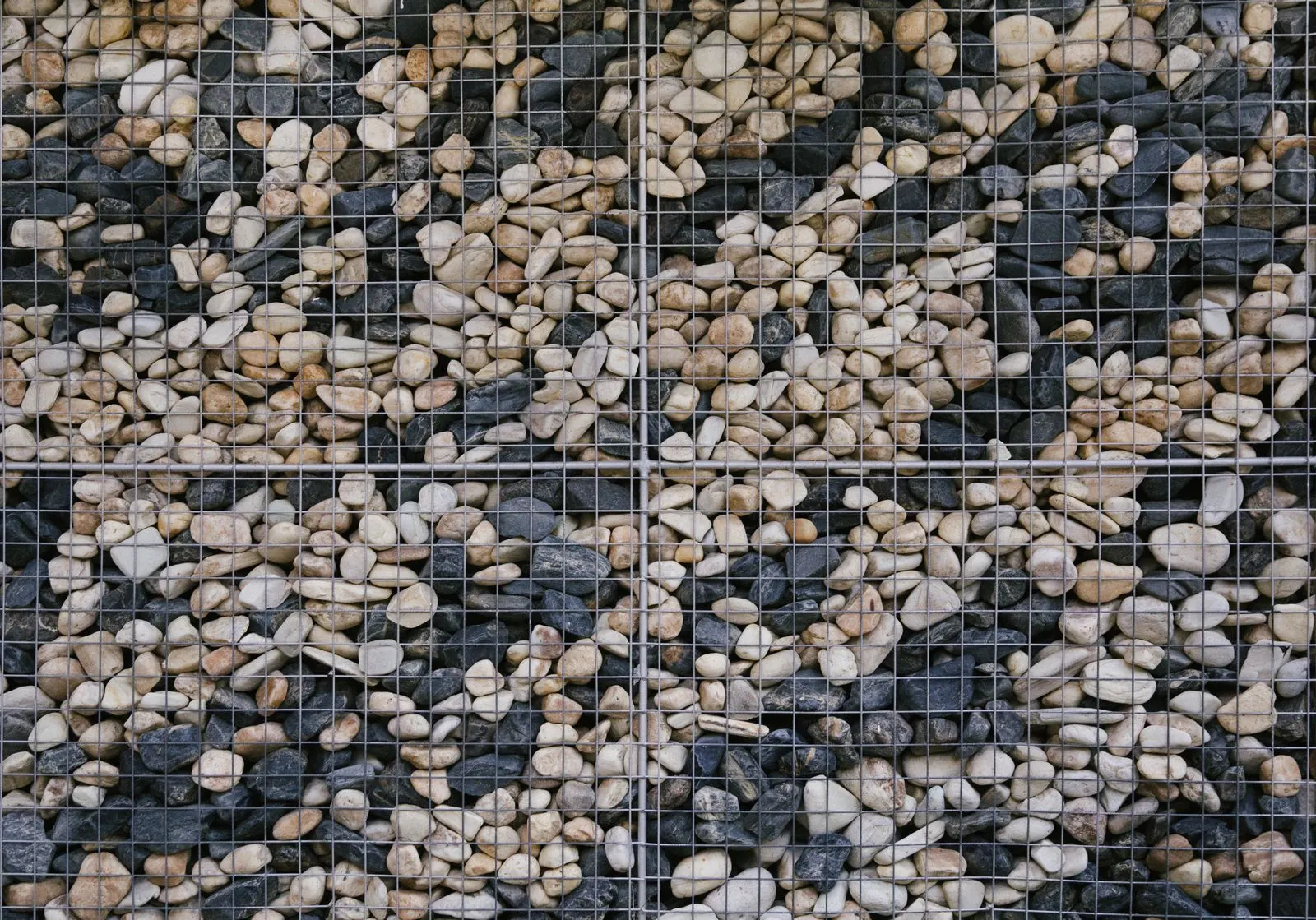
Flexible stone veneer is low maintenance, but it is still natural stone. A little regular care keeps the surface looking its best for years. The guidance below follows standard industry practice for stone care and works for most Stoneart sheets.
For a specific product, your supplier's care sheet is the final word.
Everyday cleaning
- Dust with a soft, dry cloth. Microfibre is ideal. A soft brush helps on textured stones.
- Wipe with a damp cloth and a mild cleaner. Plain water or a pH-neutral stone cleaner is enough for most dirt. Dry with a soft cloth.
- Clean spills quickly. Oil, wine, coffee and anything acidic should be lifted off before they can soak in.
That is it for day-to-day care. Most Stoneart walls need nothing more.
What to avoid
Industry stone-care guides are consistent on what not to use:
- No acidic cleaners. Vinegar, lemon juice and bleach etch and discolour stone, especially marble and limestone.
- No wire brushes or scouring pads. They scratch the surface.
- No high-pressure washers on interior walls. They can push water into joints and backings.
- No abrasive powders. Stick to soft cloths and mild cleaners.
Sealing: when and why
A penetrating stone sealer soaks into the stone and makes it harder for water, oils and dirt to get in. It is strongly recommended for:
- Bathrooms, kitchens, splashbacks and anywhere water touches the stone.
- Outdoor walls, facades and porticos.
- Lighter and more porous stones, especially marble and limestone.
Industry guidance:
- Reapply every two to four years for most interior installations.
- Reseal more often outdoors or in wet areas: every 18 to 24 months for pool surrounds and heavy use.
- A simple test: sprinkle a few drops of water on the stone. If it beads up, the sealer is still working. If it soaks in, it is time to reseal.
Use a sealer the manufacturer or your installer recommends. Follow the instructions on how to apply, how many coats and how long to wait between them.
Dealing with stains
Most stains on a sealed stone come off with mild soap and water. For stubborn marks, a poultice is the standard approach:
- Mix baking soda with a little water to make a thick paste.
- Spread it over the stain.
- Cover with cling film and tape the edges down.
- Leave overnight.
- Peel off the paste and wipe the stone clean.
- Reseal that area.
A poultice draws the stain out of the stone rather than pushing it in with a cleaner.
For oil, grease, ink or anything you cannot identify, test on an off-cut or a hidden spot first, and ask your supplier before trying something stronger.
Care tips by room
- Bathroom. Squeegee shower walls after use. Keep the room ventilated so it dries. Reseal every one to two years.
- Kitchen. Wipe splashbacks after cooking. Avoid pressing hot pans against stone furniture.
- Living room. A quick dust once a month is usually enough.
- Outdoor walls. Rinse with a garden hose once a season, more often if dusty. Reseal every two to four years.
When to call for help
If you see:
- A crack across the stone or along a joint
- A sheet lifting at a corner or an edge
- Discolouration that will not come off
- Any sign that water has got behind the stone
Stop cleaning and talk to your installer or supplier. These are not surface issues and need professional attention.
Common questions
Does Stoneart recommend a specific sealer?
Ask us for the sealer that suits the specific stone and the location. Contact Stoneart and we will advise for your product.
Can I use regular household cleaner?
For sealed stone, a mild dish soap or a pH-neutral stone cleaner is safe. Avoid anything that lists acid, bleach or ammonia on the label.
How long will a well-cared-for installation last?
The stone itself is long-lasting. How long an installation lasts depends on the stone, the backing, the adhesive, the surface it is fixed to and the care it gets. With basic cleaning and timely resealing, a well-done installation stays looking good for many years.
Next steps
Browse the Natural Stone range, see our installation and backing guides, or contact Stoneart for care advice on a specific product.