Applications
Using Stone Veneer on Exterior Walls and Facades
By Stoneart · · 4 min read
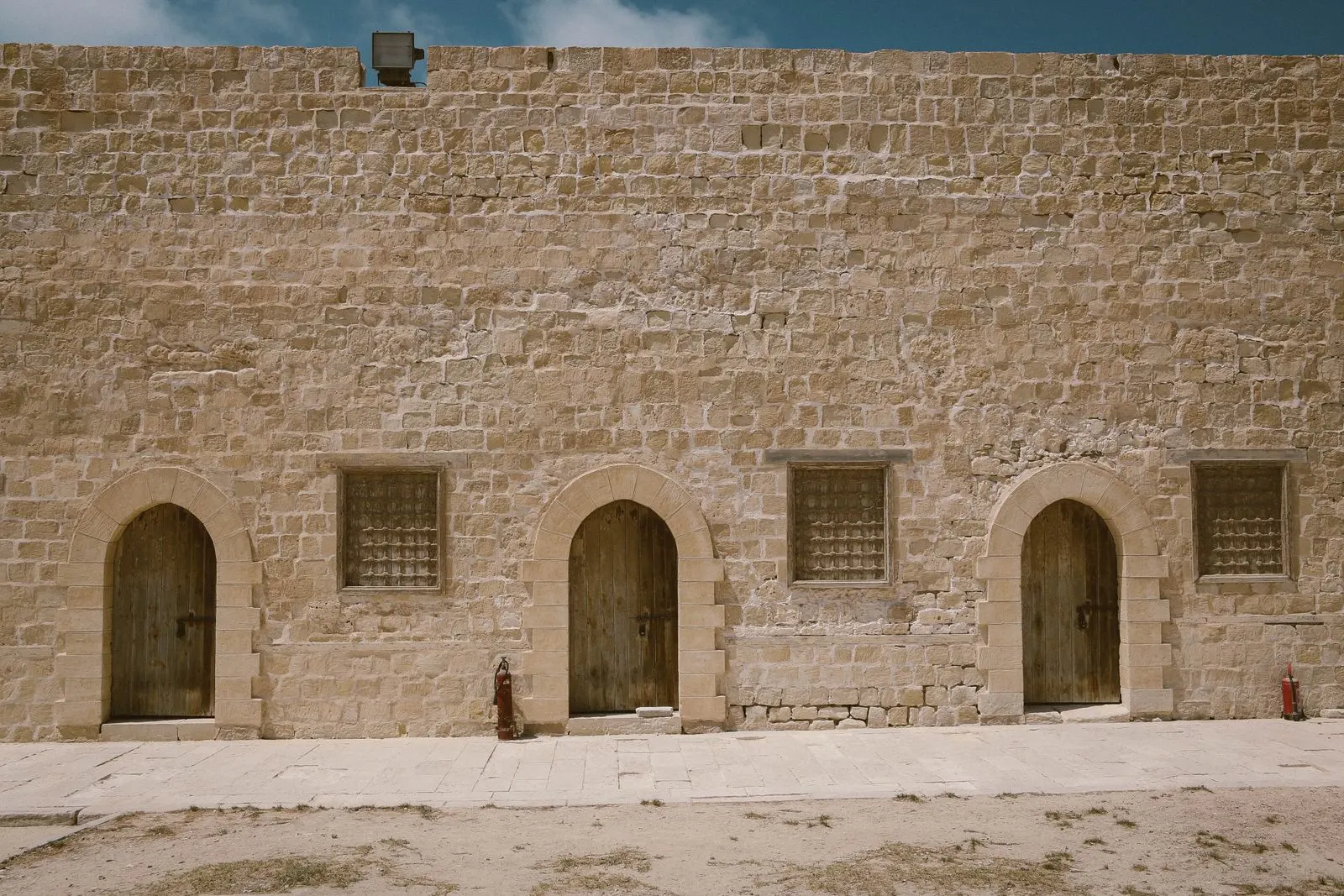
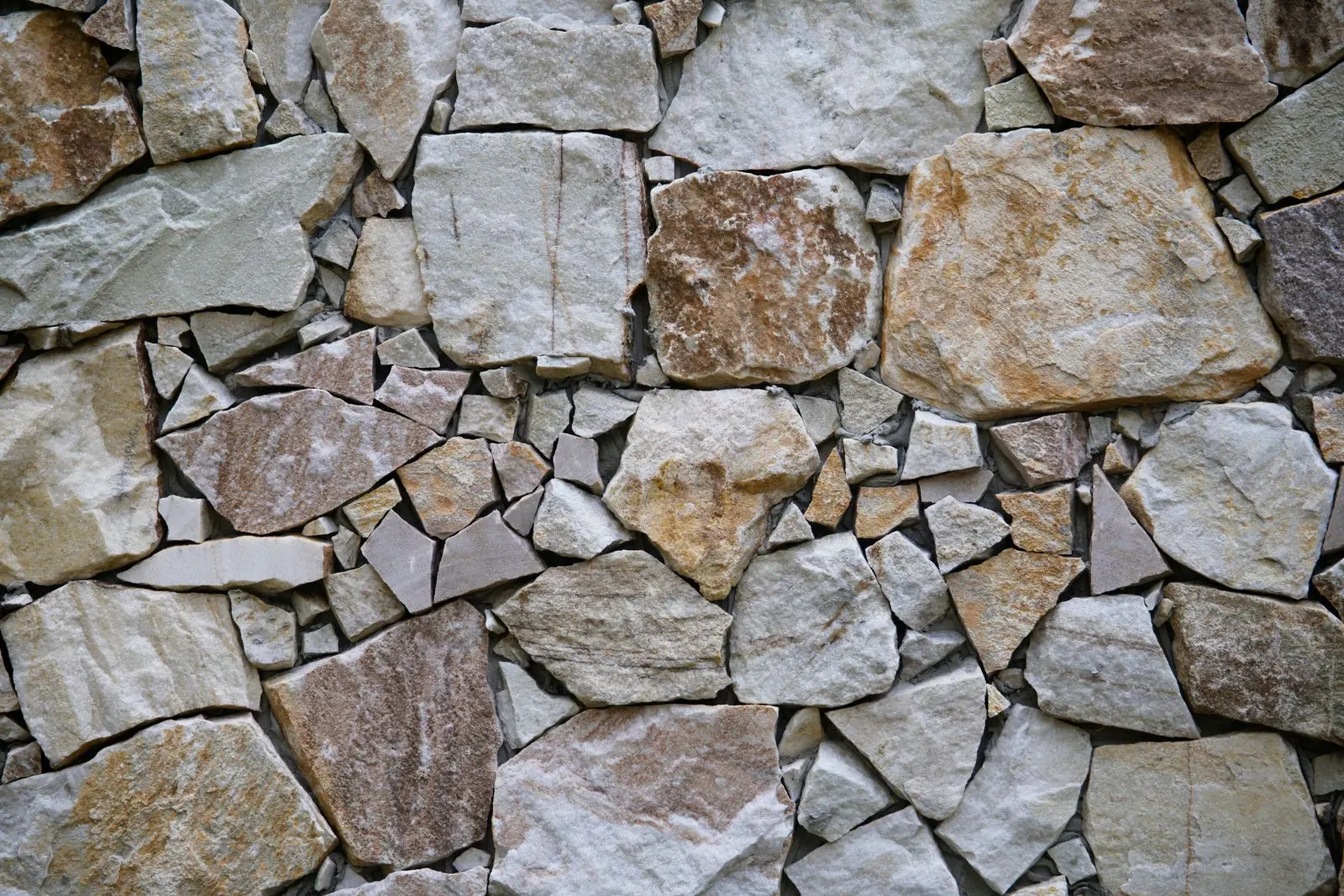
Flexible stone veneer is used outdoors in facades, porticos, boundary walls and entrance features. It gives a real stone look without the weight and structural load of a solid slab, which matters on upper floors, parapets and existing walls that were never built to carry heavy cladding.
Outdoor use comes with more conditions than an interior wall. This guide covers what to think about before you specify veneer for a facade in Indian weather.
Why veneer works outdoors
- Natural stone face. The surface is real stone, so it reads as stone rather than a painted finish.
- Dense stones hold up well. Industry sources rate dense slate and quartzite as suitable even for harsh climates, salt-laden air and sand-blown locations.
- Lightweight. Thin, light sheets reduce the load on the structure, which is particularly useful on upper floors or over existing walls.
- Covers big areas with few joints. The 1220 × 2440 mm sheet size cuts the number of joints on a tall facade.
Which stones suit an Indian facade
Hot summers, monsoon rain and strong sun ask more of an outdoor stone than an interior one. Stoneart's Natural Stone range includes several that work well outside, with the usual advice to confirm each specific product and location with the supplier:
- Dense slate and quartzite: K Black, Silver Grey, Burning Forest, Zeera Green.
- Sandstone for a warm, traditional look: Agra Red, Teakwood, Mint Yellow.
- Concrete-look greys for modern facades: Dark Grey, Medium Grey, Light Grey.
Softer or more porous stones such as some marbles can be more sensitive outdoors. Choose carefully for parts of the facade that face driving rain or direct afternoon sun.
What matters for an outdoor install
Four things decide whether an outdoor installation looks good in five years.
- The substrate. The wall behind the veneer must be sound, dry and properly prepared. Loose plaster, damp patches and cracks will all show through sooner or later.
- The adhesive. Use an adhesive the supplier recommends for exterior use. Standard tile adhesives are commonly used; make sure the chosen product is rated for outdoor conditions.
- The sealer. A penetrating stone sealer helps protect against water, dust and staining. Reseal every two to four years, or when the beading effect starts to fade.
- The detailing. Water needs a path away from joints, corners and the top of the wall. Flashings, drips, overhangs and sealed edges all help.
Where veneer makes most sense outdoors
- Entrance walls and porticos. A single feature wall of veneer makes a strong first impression without heavy structure.
- Boundary walls and compound walls. Covers large areas quickly and refreshes an existing wall without demolition.
- Facade accents and upper floors. Reduces load where solid stone is impractical.
- Pillars and columns. The flexibility that veneer is known for pays off on curved outdoor features.
Common questions
Will it survive a monsoon?
Dense stones handle rain and humidity well, provided the wall behind them is sound and the sealer and detailing are right. Softer stones and poor detailing are the usual causes of problems, not the veneer itself.
How often do I need to reseal?
Industry guidance suggests every four years for general exterior use, and more often for areas that get constant water such as pool surrounds. In practice, reseal when water stops beading on the surface.
Can I use translucent-backed veneer outside?
Translucent backing is designed for interior backlit panels. For an outdoor facade, choose the standard polyester backing unless your supplier confirms otherwise.
Next steps
Browse the Natural Stone range, read our installation guide for Stoneart's general approach, or contact Stoneart to discuss your facade.