Design Ideas
Translucent Stone Veneer: Walls That Glow
By Stoneart · · 4 min read
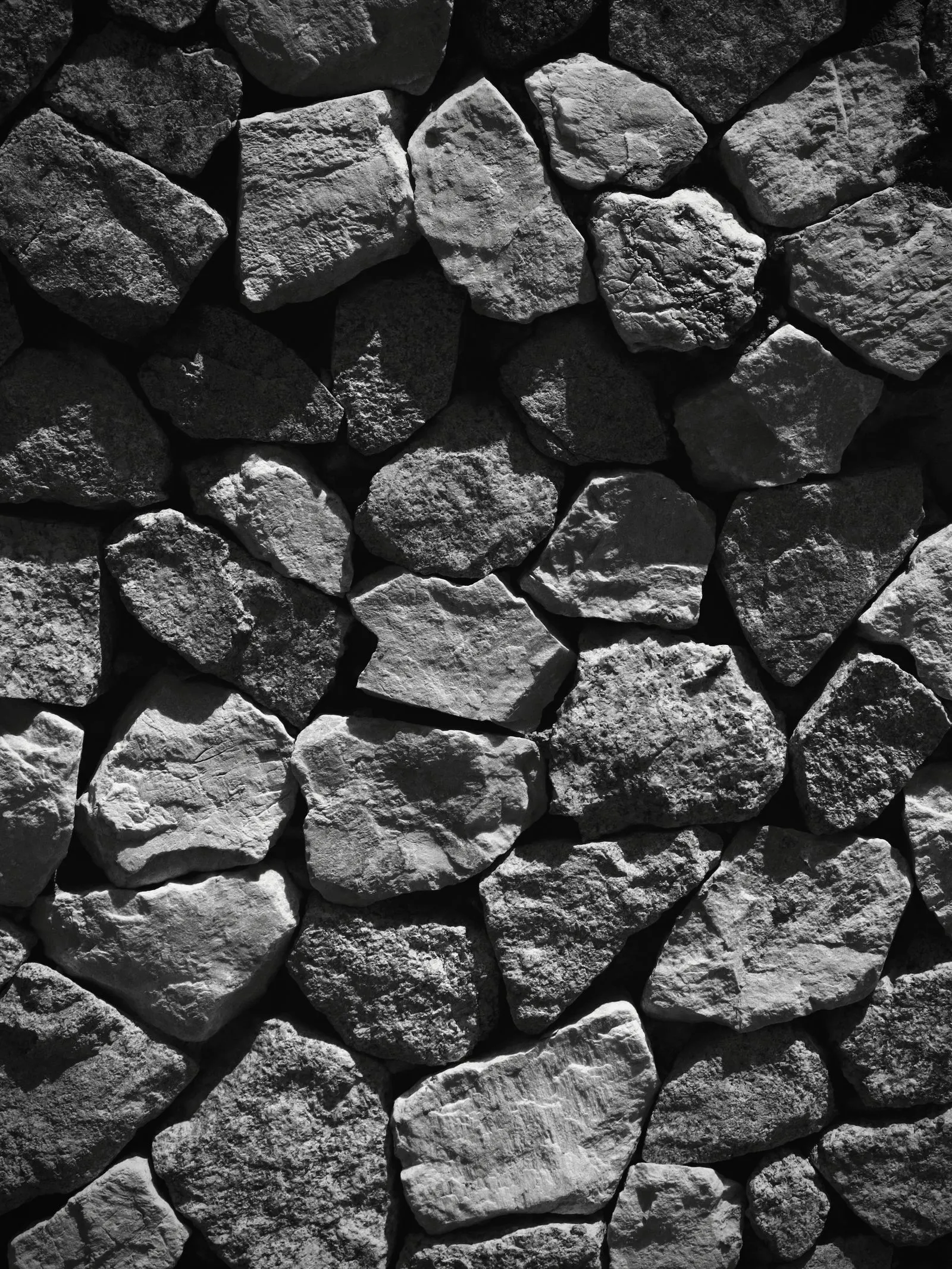
Translucent stone veneer takes a thin layer of real stone and places it on a transparent backing. Light shines through the stone from behind, picking up the colour, the veining and the grain. The result is a wall or counter that becomes an atmosphere, not just a surface.
Stoneart offers a translucent backing option within its Natural Stone range, alongside the standard polyester and fleece backings on the Backing page. Here is how it is used and what to think about.
How it works
A translucent sheet is built the same way as the standard one, with a very thin layer of natural stone bonded to a backing, but the backing is clear so light can pass through. Industry sources describe sheets around 1.5 to 1.8 mm thick, weighing roughly 1.5 to 2 kg per square metre.
Lit from in front, the sheet reads as plain stone. Switch on the light behind it, and the colour, grain and veining appear from inside the surface. Warm white LEDs give a cosy glow, cool white a crisp modern feel, and RGB lets you tune the mood.
Where it is used
- Reception walls. A large glowing stone panel behind a reception desk looks premium without a signboard.
- Bar fronts and counters. The bar glows from behind, which flatters the stone and lifts the whole room.
- Backlit niches. A single niche behind a dining area or a bed, lit softly, becomes a focal point.
- Lifts and lobbies. A translucent panel in a lift car or lobby turns a routine space into a feature.
- Furniture tops and shelves. Light shelves or coffee-table tops with a thin stone surface.
- Lamps and columns. Wrap a cylinder in translucent veneer with an LED tube inside for a soft glowing column.
Which stones look best when backlit
Lighter and more translucent stones catch light the most. From the Stoneart range, stones that read beautifully from behind include:
- [Himalayan Gold](/products/natural-stone/himalayan-gold) cream washed with golden-yellow and rust.
- [Ita Gold](/products/natural-stone/ita-gold) warm golden ochre.
- [Fantasy White](/products/natural-stone/fantasy-white) white and pale grey with sweeping veins.
- [Autumn Cream](/products/natural-stone/autumn-cream) soft sand and cream.
- [Burning Forest](/products/natural-stone/burning-forest) olive green with dramatic rust veins that turn fiery when lit.
Dark stones look striking in daylight but let less light through. If the point of the wall is the glow, lighter stones usually win.
Design ideas to borrow
- One wall, warm 2700 K LEDs. A classic hospitality look. The stone sets the colour.
- Hidden light at top and bottom. Light coming from the floor and ceiling, washing up and down the stone, avoids visible fittings.
- RGB on a slow fade. For bars and lounges, slow colour changes feel atmospheric without being distracting.
- Mix lit and unlit panels. A row of lit panels among unlit ones draws the eye and keeps the design restrained.
What to think about before you specify
- The light source matters. Use evenly diffused LED panels behind the stone. Point sources create bright spots. A diffusing layer between the LEDs and the stone evens the light out.
- The gap matters. A small, even gap behind the stone makes the lighting look uniform.
- Heat. LEDs are low-heat, but any lighting fitting needs air space and good electrical practice.
- Access. Plan how a failed LED strip gets replaced without removing the stone.
- Daylight. In rooms with strong daylight, translucent stone can look like regular stone most of the day. Factor that into the design.
Common questions
Does translucent veneer work with any LED?
Any LED strip or panel works, but even, diffused light looks far better than bare point sources. Use LED panels or strips with a diffuser, not single-bulb fittings.
Can it be used outside?
Translucent backing is designed for interior backlit panels. For outdoor use, choose the standard polyester backing.
How thick is the finished wall?
A thin stone layer, a diffuser, a slim LED panel and a back box typically add up to about 25 to 50 mm, less than a standard LED mirror. Confirm with your contractor for the exact set-up.
Next steps
Explore the Natural Stone range, read how our backings differ, or contact Stoneart if you are planning a backlit feature wall.